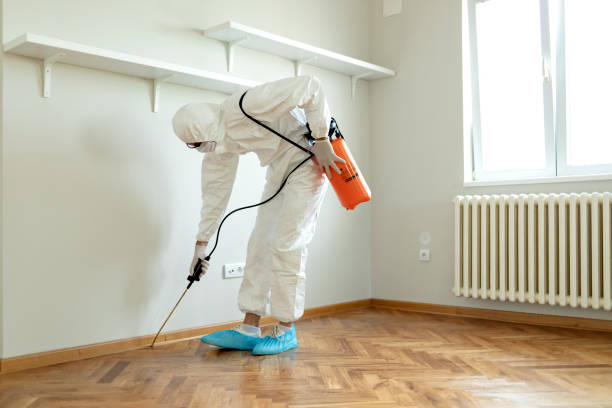
The bustling city of Chicago, known for its architectural marvels and vibrant cultural scenes, is also a place where homeowners and businesses alike face the persistent challenge of mold infestations. Mold growth is not only unsightly but poses significant health risks if left unchecked. In this city, where history and modernity coexist, ensuring the integrity of indoor environments is crucial. Professional mold inspection services employ cutting-edge techniques and proven methodologies for effective mold detection and prevention. This article delves into the essential aspects of mold inspection in Chicago, spotlighting visual inspections as a critical first step in safeguarding properties.
The Importance of Mold Inspections
Mold inspections are a vital component of property maintenance for several reasons:
- Health Protection: Mold exposure can lead to respiratory issues, allergies, and other health concerns.
- Property Value: Unchecked mold can devalue properties, making regular inspections a wise investment.
- Structural Integrity: Mold can compromise building materials, leading to costly repairs.
Regular mold inspections help identify potential problems early, allowing for timely interventions. Find out more about this approach.
Visual Inspections: The First Line of Defense
Visual inspections are a fundamental aspect of mold detection. They involve a thorough examination of the property, focusing on areas prone to moisture and mold growth.
What to Expect During a Visual Inspection
A professional visual inspection typically includes:
- Surface Examination: Inspectors look for visible signs of mold, such as discoloration and surface growth.
- Moisture Assessment: Identifying areas of high humidity and water intrusion is essential, as these conditions foster mold growth.
- Structural Checks: Inspectors assess potential structural vulnerabilities that could contribute to mold issues.
For a deeper understanding of visual inspections, explore advanced guides and tips.
Advanced Techniques Complementing Visual Inspections
While visual inspections are critical, they are often complemented by advanced diagnostic techniques to ensure comprehensive mold detection.
Technological Tools and Methods
- Infrared Thermography: Detects hidden moisture that may not be visible to the naked eye.
- Air Sampling: Analyzes the concentration of mold spores in the air, providing insights into indoor air quality.
- Surface Sampling: Involves collecting samples from surfaces to identify specific types of mold present.
These advanced methods enhance the accuracy and effectiveness of mold inspections. Discover expert strategies here.
Tailored Solutions for Mold Issues
Every property is unique, and so are its mold-related challenges. Tailored solutions are essential for effective mold management.
Customized Inspection Plans
Factors such as the age of the building, its location, and its history of moisture issues influence the inspection plan:
- Historical Data Analysis: Understanding past mold issues can guide current inspection strategies.
- Location-Specific Challenges: Properties near water bodies or with poor ventilation require special attention.
- Detailed Reporting: Comprehensive reports provide actionable insights for remediation.
To learn about tailored solutions, learn about our tailored solutions.
Conclusion
In Chicago, where the climate can be both a blessing and a challenge, professional mold inspections are indispensable for maintaining healthy living and working environments. Visual inspections, as a basic yet pivotal step, set the foundation for effective mold management, ensuring the safety and integrity of properties. By integrating advanced techniques and offering customized solutions, professional services empower property owners to act decisively against mold invasions. For more information on the services and strategies available, explore advanced guides and tips to ensure that mold is kept at bay, preserving the health and value of any property.
About the Author