Pressure washing, a robust method for cleaning a variety of surfaces, has become an essential service in maintaining the aesthetic and functional quality of properties. From driveways and sidewalks to decks and facades, the power of pressurized water can remove grime, mold, and other contaminants, restoring surfaces to their original condition. However, effective pressure washing requires understanding the nuances of equipment, techniques, and safety precautions. This guide delves into the most effective pressure washing techniques, equipping you with the knowledge to achieve optimal results while protecting your surfaces.
Understanding Pressure Washing Equipment
Before diving into techniques, it’s crucial to comprehend the equipment involved. Pressure washers come in various types and sizes, each suited for different tasks. The primary components include:
- Pressure Washer Units: Measured in pounds per square inch (PSI) and gallons per minute (GPM), these units determine the force and flow of water. Choose a pressure washer with adequate PSI and GPM for your specific cleaning task.
- Nozzles: Different nozzles provide varying spray patterns, impacting the cleaning width and intensity. Common nozzle types include 0-degree (pencil jet), 15-degree (chiseling), 25-degree (fanning), and 40-degree (wide coverage).
- Accessories: Surface cleaners, extension wands, and detergent applicators can enhance the cleaning process, making it more efficient and effective.
For a comprehensive understanding of equipment and their applications, discover expert strategies here.
Techniques for Effective Pressure Washing
Preparing the Surface
Preparation is key to achieving the best results. Ensure the area is clear of debris and obstacles. If necessary, pre-treat surfaces with appropriate cleaning agents to loosen tough stains. Always test a small, inconspicuous area to confirm the pressure and detergent won’t harm the surface.
Adjusting Pressure and Distance
The right balance between pressure and distance is crucial. Too close or too high pressure can damage surfaces, while too far or too low pressure may be ineffective. Generally, maintain a distance of 6 to 12 inches from the surface and adjust the pressure based on the material.
For more details on adjusting techniques, learn about our tailored solutions.
Using the Correct Nozzle
Selecting the appropriate nozzle is vital. Use a wider-angle nozzle for general cleaning and a narrower one for tough stains. However, be cautious with narrow jets as they can etch surfaces if misused.
Safety Precautions
Safety cannot be overstated in pressure washing. Adhere to these safety tips:
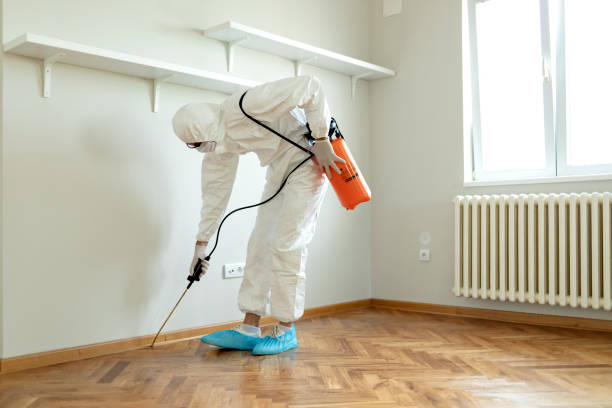
- Wear Protective Gear: Safety goggles, gloves, and non-slip footwear help prevent injuries.
- Be Mindful of Electrical Hazards: Avoid spraying near electrical outlets or equipment.
- Understand Equipment Limitations: Know the capabilities of your pressure washer and never exceed recommended PSI levels.
For further guidance on ensuring safety while pressure washing, explore advanced guides and tips.
Environmental Considerations
Responsible pressure washing also involves environmental mindfulness. Use biodegradable detergents, avoid contaminating natural water sources, and manage runoff effectively.
To integrate environmentally friendly practices, find out more about this approach.
Pressure washing, when done correctly, is an efficient way to maintain and restore surfaces. By understanding equipment, mastering techniques, and prioritizing safety and environmental considerations, you can achieve exceptional results. Continuous learning and adaptation of strategies will ensure that your pressure washing endeavors remain both effective and responsible.
About the Author